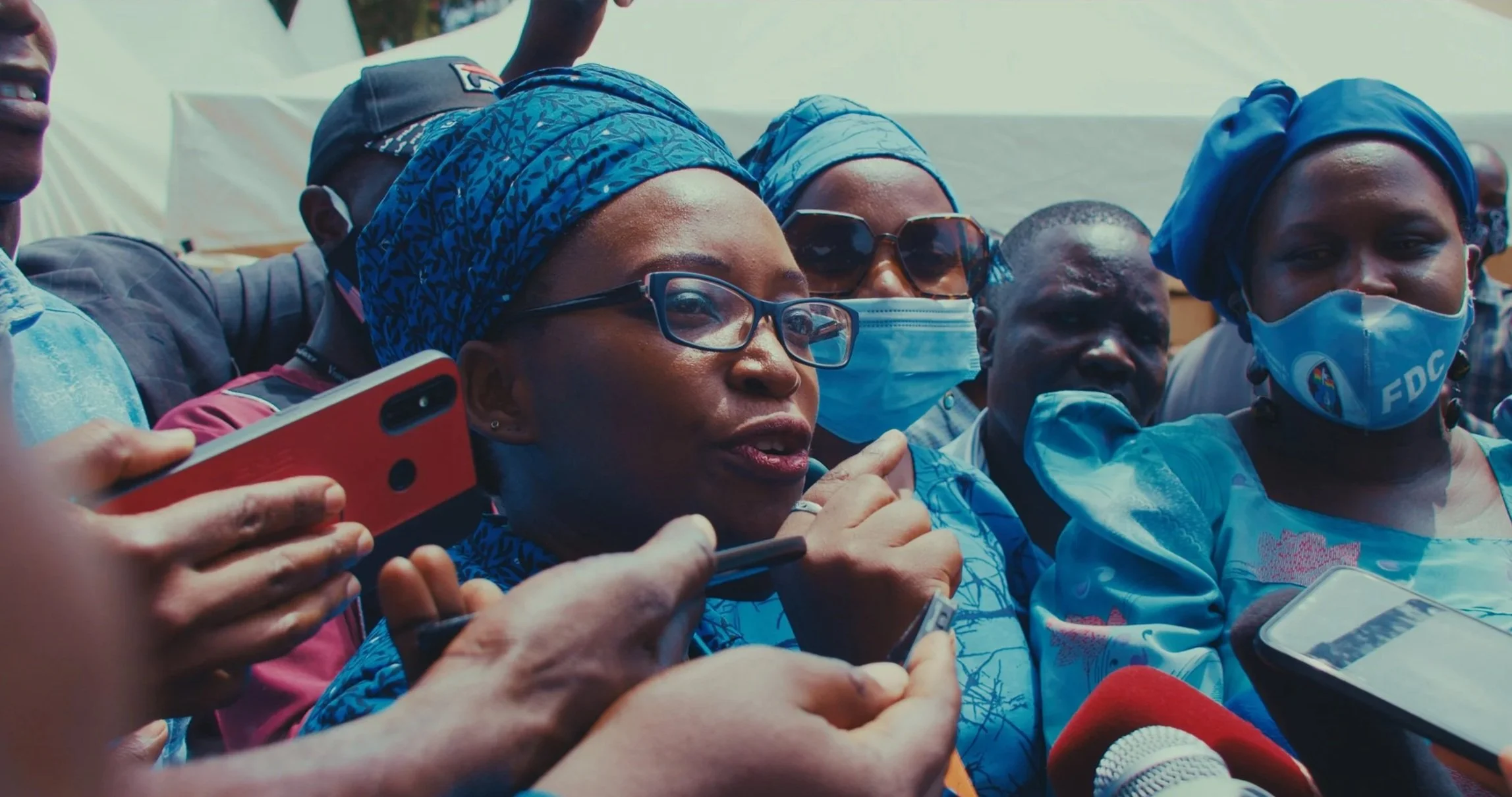
The Woman Who Poked The Leopard
Patience Nitumwesiga | Uganda, South Africa, Germany, US | 2025 | English & Luganda with English subtitles | 108m
UK Premiere
Unapologetic and revolutionary — The Woman Who Poked The Leopard is an intimate portrait of Ugandan poet-academic Dr. Stella Nyanzi, who defies state repression with bold acts of resistance. Through performance and protest, Stella confronts dictatorship and patriarchy. She navigates threats, imprisonment, and exile to reclaim autonomy both for her nation and her own family.
The screening will be followed by a Q&A with one of the producers of The Woman Who Poked The Leopard, pan-African queer feminist writer, activist, healer, life coach and award-winning documentary and feature film producer Rosie Motene, hosted by Jali Film Weekender co-director Carmen Thompson.
Presented in partnership with Scottish Documentary Institute.
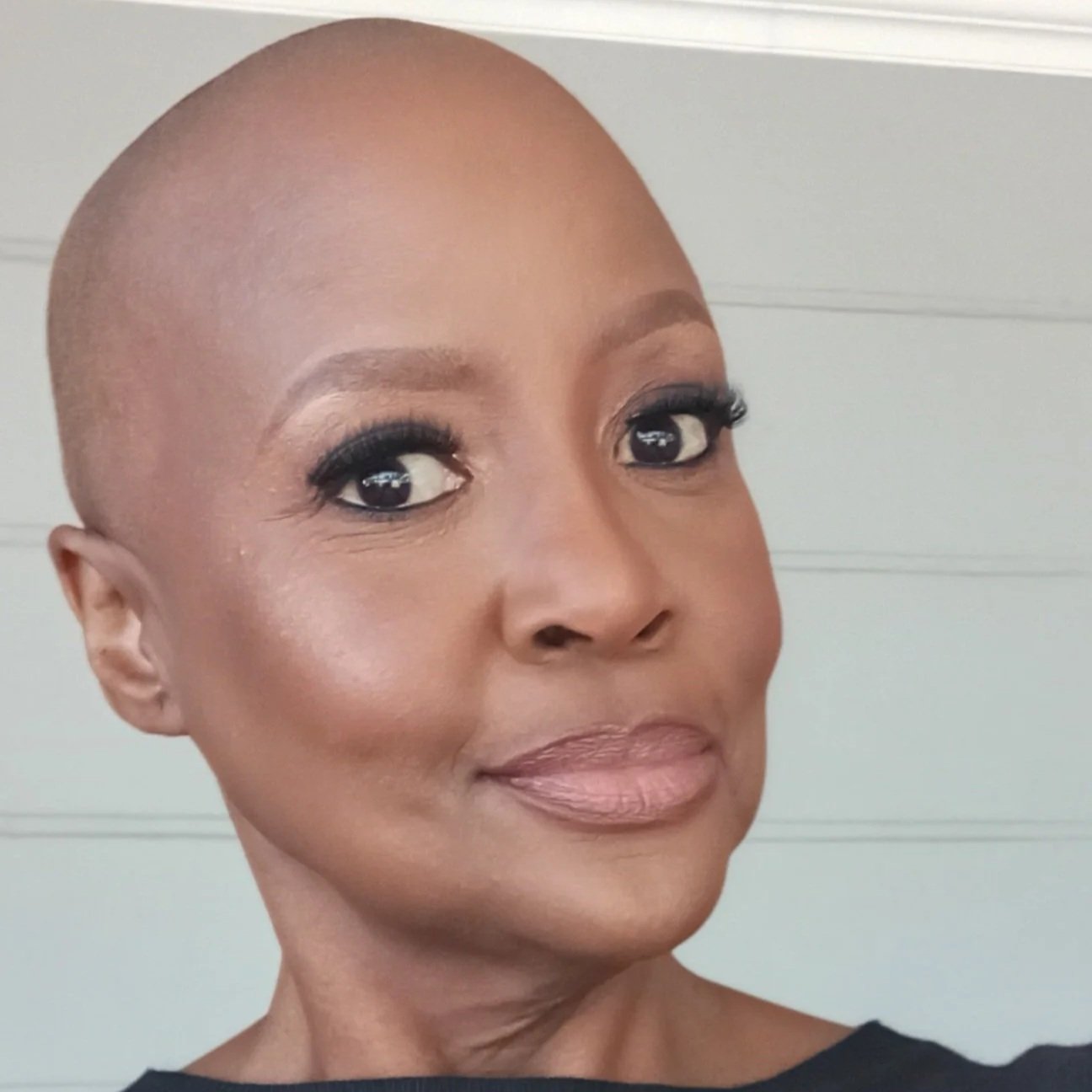
Rosie Motene
Rosie Motene is a Pan-African queer feminist writer, activist, healer, life coach and award-winning documentary and feature film producer, with over 30 years of experience in television, film and broadcasting, alongside 20 years of human rights advocacy. Her work centres gender justice and LGBTQIA+ rights through a trauma-informed, intersectional feminist lens.
She has curated and facilitated work across Africa and internationally, using storytelling, feminist political education and creative practice as tools for healing, resistance and social transformation. She is a producer of the award-winning documentary The Woman Who Poked The Leopard (2025), about Ugandan feminist activist and scholar Dr Stella Nyanzi.
Her award-winning autobiography, Reclaiming The Soil, explores her experience of being raised by her mother’s employers, a white Jewish family, during apartheid South Africa. The book reflects on interracial and interfaith adoption, African identity, belonging and racism, and the complex ways in which personal history intersects with systems of power.